Secured credit cards have become one of the most reliable tools for rebuilding credit in the United States, and as we move into 2026, interest in them continues to rise. Because many consumers are looking for safer and more predictable ways to improve their financial standing, these cards remain a central topic in personal finance discussions. Although they might seem simple, they involve important rules that every user should understand before applying.
Because of new regulations, enhanced fraud protections and evolving credit-scoring models, secured cards are changing in ways that directly affect consumers. Many banks now offer lower deposits, faster approvals and improved reporting practices. Therefore, choosing the right card can make a measurable difference in how quickly someone rebuilds credit.
However, not everyone needs a secured card. Some consumers may qualify for an unsecured alternative sooner than they expect, and others may benefit more from credit-builder loans or banking programs. Understanding these distinctions helps prevent wasted time and unnecessary deposits. For those who want clarity, the best starting point is a transparent explanation of how secured cards work, why they exist and who actually benefits from them. Keep reading to see whether they genuinely make sense for your situation.
Ultimately, this article explores the real value of secured credit cards in 2026, using only official data from institutions such as the Consumer Financial Protection Bureau (CFPB), the Federal Deposit Insurance Corporation (FDIC) and primary card issuers. To ensure accuracy, every claim is tied to verifiable, up-to-date financial insights.
Secured Credit Cards: How They Work and Why They Exist
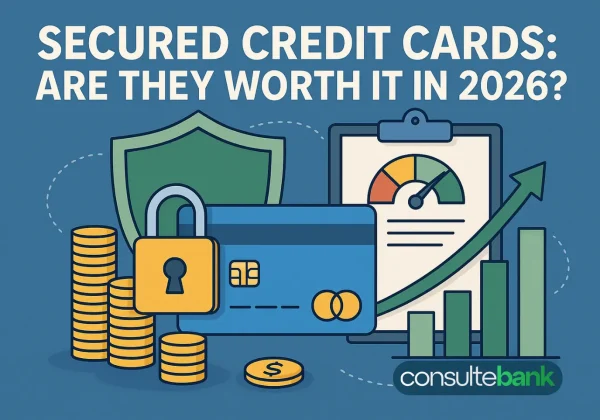
Secured credit cards function differently from traditional cards, even though they look identical when you use them. The main distinction is the security deposit, which typically ranges from $49 to $300 or more, depending on the issuer and the applicant’s profile. The bank holds this deposit as collateral, reducing risk and allowing approval for users with limited or damaged credit. Because the deposit protects the issuer, they can report payment activity directly to the three major credit bureaus—Equifax, Experian and TransUnion.
Although this structure seems straightforward, many consumers misunderstand it. First, the deposit is not a fee. Instead, it is fully refundable if the account is closed in good standing or upgraded to an unsecured card. Second, a higher deposit does not increase approval odds; rather, it simply raises the credit limit. Third, timely payments carry far more weight than the size of the deposit. According to FICO, payment history makes up 35% of the credit score calculation, making consistent on-time payments the most important factor.
Therefore, secured cards exist primarily to help consumers demonstrate low-risk behavior to lenders. Because they report monthly to all bureaus, they can build a positive history relatively quickly. Additionally, they help users practice responsible spending without the risk of runaway debt, since the limit is usually modest.
Why Secured Credit Cards Remain Relevant in 2026
Although other credit-building tools exist, secured credit cards remain popular because they integrate easily into everyday spending. For example, using them for groceries, streaming services or gas allows natural credit activity without additional loans or contracts. Therefore, they fit seamlessly into modern budgets.
Additionally, several major U.S. banks have updated their secured card programs. Many have reduced minimum deposits, lowered fees or shortened the time required for graduation to an unsecured card. Because of this trend, consumers experience faster progress with less upfront cost. Some issuers even automate upgrade reviews every few months, giving users a clear path toward better credit products.
Furthermore, inflation, employment shifts and the rise of alternative lending have pushed more consumers to prioritize credit health. Because credit impacts housing, insurance rates and job opportunities, secured cards remain one of the safest and most predictable rebuild strategies available today.
Are Secured Credit Cards Worth It? Key Advantages
Strong Credit-Building Power
Because secured credit cards report to all major bureaus, they offer consistent and predictable credit-building benefits. When users pay on time and keep their utilization low—preferably under 30%—scores may rise within months. This advantage makes secured cards one of the fastest and least complicated ways to rebuild credit.
Additionally, secured cards add several important credit-mix components: revolving credit, utilization history and long-term account age. The combination of these categories helps strengthen a FICO profile in ways that installment loans cannot.
Lower Approval Barriers
Because approval depends largely on the deposit, issuers take on less risk. As a result, consumers with bankruptcy, charge-offs or thin credit files often qualify more easily. For those starting from scratch or rebuilding after financial difficulty, this accessibility is essential.
Some issuers even allow applications without a credit check, relying solely on identity verification and deposit funding. This feature ensures that the application itself does not cause a hard inquiry that could temporarily lower the applicant’s score.
Predictable Costs and Limited Risk
Because spending is capped at the deposit amount, users avoid revolving high balances that create long-term debt. This built-in limit forces financial discipline, which is why credit experts frequently recommend secured cards over high-fee subprime unsecured cards that can trap consumers in cycles of high interest and penalties.
Additionally, many secured cards no longer charge annual fees, making them more cost-effective than in previous years. Some issuers even allow partial deposits, reducing the upfront financial burden.
Drawbacks to Consider Before Applying
Although secured credit cards offer clear advantages, they are not perfect for everyone. Consumers should consider several potential downsides.
Upfront Deposit Requirement
Because the deposit can range from $49 to $300 or more, some individuals may find the initial cost challenging. Although the amount is refundable, it still ties up money that could be used for emergencies or other expenses.
Low Credit Limits
Although the limit can be raised with additional deposits, many users start with $200–$300. Because utilization impacts credit scores significantly, consumers must avoid letting the balance rise too high. Some banks offer automatic credit limit increases, but others require manual deposits, which may be inconvenient.
Not All Issuers Offer Rewards
Although more secured cards now include cashback programs, many still offer no rewards at all. Therefore, users looking for both credit building and strong rewards may prefer hybrid options such as unsecured starter cards.
Secured Credit Cards vs. Alternatives
Unsecured Starter Cards
Some consumers may qualify for unsecured beginner cards, especially if their income is stable and their credit is only slightly damaged. These cards eliminate the need for a deposit, although approval standards are higher.
Credit-Builder Loans
Credit-builder loans offered by local banks and credit unions allow users to build history without revolving credit. However, they require fixed monthly payments and do not offer the same daily spending flexibility that secured cards provide.
Authorized User Status
Joining a family member’s account as an authorized user can significantly improve credit, assuming the primary user maintains good standing. However, not everyone has access to someone with a strong credit history willing to help.
How to Choose the Best Secured Credit Card in 2026
Because options vary widely, consumers should review several features before applying.
1. Reporting Practices
Always choose a card that reports to all three bureaus. Some smaller issuers do not provide comprehensive reporting.
2. Annual Fees
Cards without annual fees provide better long-term value and make credit building more affordable.
3. Graduation Timeline
Many banks review accounts for upgrade eligibility every 6–12 months. Faster graduation saves time and returns the deposit sooner.
4. Minimum Deposit
Flexible deposits allow users to increase their credit limit without reapplying.
5. Digital Tools
Budget tracking, instant notifications and credit-score monitoring help users maintain healthy financial habits.
Best Practices for Maximizing Credit Growth
Because payment history and utilization drive most scoring models, users should follow these guidelines:
- Pay every statement early or on time
- Keep balances under 30% of the credit limit
- Use the card every month to maintain active reporting
- Avoid carrying large balances
- Monitor credit reports regularly for errors
Because these behaviors compound over time, users often see consistent score improvements within the first year.
Conclusion — Are Secured Credit Cards Worth It in 2026?
Secured credit cards remain one of the most practical and predictable tools for rebuilding credit in the United States. Because they report consistently, offer structured limits and require responsible financial habits, they help consumers build long-term stability.
Although they involve an upfront deposit and modest limits, their benefits often outweigh these drawbacks when used correctly.
Ultimately, for anyone committed to rebuilding or establishing credit, secured credit cards continue to be a valuable, efficient and accessible solution in 2026.
Official Resources for Consumers
To ensure accuracy and transparency, here are reliable sources for further reading:
- Consumer Financial Protection Bureau (CFPB): https://www.consumerfinance.gov/
- Federal Deposit Insurance Corporation (FDIC): https://www.fdic.gov/
- FICO Credit Scoring: https://www.myfico.com/
- Experian: https://www.experian.com/
- Equifax: https://www.equifax.com/
- TransUnion: https://www.transunion.com/
📌 Leia também:
Best Credit Cards Best Digital Banks in the USA No annual fee cards USA👉 Continue lendo o Consulte Bank