When people ask about the best number of credit cards, they usually expect a straightforward answer. Yet experts explain that the ideal amount varies according to financial habits, credit history and long-term goals. Because many consumers want to improve credit scores or earn rewards, understanding these factors becomes essential. Although the question parece simples, the truth is more nuanced.
Every lender in the United States evaluates risk differently. Therefore, having multiple cards can strengthen your credit profile, as long as you use them responsibly. Since credit utilization influences 30% of the FICO score, managing several cards the right way may help you keep low balances and build history faster.
Because many people still fear that holding too many cards harms their finances, they often avoid them altogether. However, experts highlight that the danger is not the quantity but the behavior behind usage. When you understand the mechanics, you can choose the right number and avoid unnecessary risks.
If you want clarity before deciding whether to open new cards, continue reading. This article breaks down expert opinions, practical strategies and critical guidelines to help you make informed choices today.
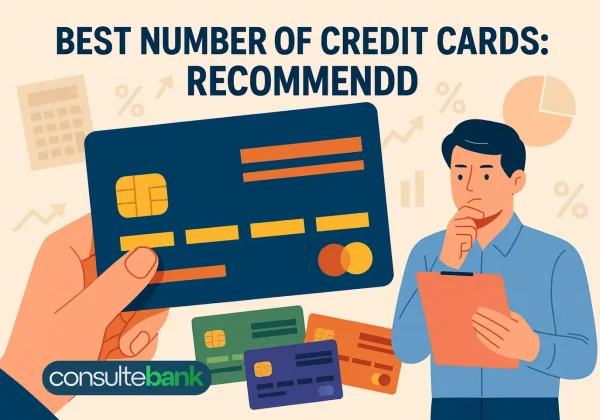
Best Number of Credit Cards: What Experts Recommend
Understanding How Many Cards You Really Need
Determining how many cards someone should have depends on several factors. Most financial advisors agree that having at least two to three credit cards provides balance, flexibility and safety. Because each card contributes to your overall credit limit, your utilization decreases when limits are higher and balances remain low. Consequently, your credit score tends to improve over time.
Yet experts from major credit research organizations explain that the “right” number may increase as your financial life evolves. For instance, consumers who want to optimize rewards often hold more cards to maximize categories such as groceries, travel and gas. However, beginners usually benefit from fewer cards to maintain control and understand billing cycles.
Although there is no universal rule, credit analysts frequently recommend evaluating several criteria.
Key Factors That Influence the Ideal Number of Credit Cards
- Income stability
- Spending behavior
- Ability to track multiple due dates
- Credit-building goals
- Risk tolerance
- Need for rewards or travel benefits
- History of missed payments or overuse
Because these elements vary widely, people should reassess their financial habits every year. That way, they ensure their card portfolio continues to support — rather than complicate — their financial decisions.
Benefits of Having More Than One Credit Card
Holding multiple cards provides several advantages. First, it helps distribute purchases, which lowers utilization on each line. This is a major benefit for credit scores, especially under FICO and VantageScore models. Additionally, having more cards works as a financial safety tool. If one card is compromised, closed or declined, you still have another available.
Furthermore, many consumers benefit from different types of rewards. Some cards offer cash back, while others focus on travel points. Because reward categories vary, having two or more cards helps ensure you always earn the highest return on spending.
Another advantage is the extended credit limits. The more available credit you have, the easier it becomes to maintain utilization below 30%, which experts widely consider ideal. Since this factor significantly influences credit scoring, more cards can contribute to faster credit improvement when used correctly.
Downsides of Having Too Many Credit Cards
Although having several cards can be helpful, it also introduces challenges. Managing many accounts increases the risk of missing payments. Because payment history represents 35% of your score, even one missed payment can cause serious damage. Additionally, annual fees may accumulate when cards offer premium benefits.
Another common issue is the temptation to overspend. With higher available credit, some people feel more comfortable making unnecessary purchases. Consequently, they accumulate debt and pay high interest rates.
Furthermore, opening multiple cards within a short period can lead to several hard inquiries. Since this may temporarily lower your score, consumers should space out applications and avoid unnecessary openings.
How Credit Utilization Shapes the Ideal Number of Cards
Credit utilization is one of the strongest indicators of financial health. Experts emphasize that keeping it below 30% is crucial, although many credit specialists recommend aiming for 10% or less. Because utilization is calculated by dividing the current balance by total credit limit, having multiple cards helps distribute spending more evenly.
For example, imagine a person has only one card with a $1,000 limit and spends $500 a month. Their utilization becomes 50%. However, if they hold two cards totaling $3,000 in limit and still spend $500, utilization drops to just 16.6%. Therefore, responsibly increasing your number of cards often brings measurable improvement.
How Your Credit Score Influences the Number of Cards You Can Have
People with good or excellent credit usually qualify for more cards. Because lenders trust borrowers with strong histories, approvals tend to be faster and limits higher. However, consumers with low scores may face restrictions or receive only small limits, which reduces the practical benefits of multiple cards.
Furthermore, credit score impacts:
- Qualification for reward cards
- Eligibility for no-annual-fee cards
- Access to 0% APR promotions
- Chance of receiving credit limit increases
Therefore, your score determines not only how many cards you can get but also which types of cards are useful for your goals.
Do Experts Recommend a Specific Number of Cards?
Most experts avoid giving a strict number because the best amount depends on personal behavior. However, financial professionals at leading institutions generally provide these guidelines:
- Beginners: 1–2 cards
- Moderate users: 2–4 cards
- Reward optimization users: 3–6 cards
- Frequent travelers: 4–8 cards
- High-limit users: unlimited, as long as spending is controlled
Although these ranges are common, they are not rules. Instead, they serve as frameworks to help consumers assess their own needs.
When Should You Consider Adding a New Credit Card?
Financial specialists highlight several moments when adding a new card may be beneficial:
- When utilization stays above 30% despite responsible spending
- When you want access to better rewards
- When your income increases
- When you have a long history of on-time payments
- When you need to build credit more efficiently
- When your current cards lack certain protections or perks
Furthermore, adding a card may improve your overall financial flexibility, especially during emergencies or travel.
Signs You Should Avoid Opening More Credit Cards
Although many consumers gain benefits from additional cards, others should avoid expanding their portfolio. Consider avoiding new cards when:
- You struggle to pay bills on time
- You carry rotating balances
- You live paycheck to paycheck
- You previously closed accounts due to overspending
- You feel pressured by promotions
- Your credit score recently dropped
Experts explain that self-awareness is crucial. Because opening new cards requires discipline, your financial stability should always come first.
Best Number of Credit Cards for Different Users
The best number of credit cards depends on your goals. Beginners often benefit from keeping things simple. Two cards usually provide enough flexibility to manage utilization while learning how billing cycles work. Meanwhile, intermediate credit users may need three or more cards to diversify rewards and access higher limits.
Frequent travelers often rely on several cards from brands like Visa, Mastercard and American Express. Because travel cards usually offer lounge access, no foreign transaction fees and strong point structures, having multiple options ensures better coverage.
Additionally, high-income consumers may hold many cards without difficulty. Since they handle larger expenses and maintain excellent payment histories, lenders often extend high limits easily. However, even these consumers should track usage carefully.
How to Manage Multiple Credit Cards Without Stress
Managing several cards becomes easier when you adopt structured habits. Experts recommend:
- Setting automatic payments for minimum amounts
- Using budgeting apps to monitor balances
- Organizing cards by rewards category
- Reviewing statements weekly
- Tracking annual fees
- Monitoring credit score monthly
- Using alerts for due dates
Although these actions seem simple, they significantly reduce mistakes. Because consistent payment behavior shapes your financial identity, these habits protect your score and support long-term credit growth.
Best Number of Credit Cards According to Credit Score Models
Credit models such as FICO and VantageScore evaluate several elements related to the number of accounts. While neither model penalizes consumers for having many cards, they do monitor patterns such as:
- New credit inquiries
- Length of credit history
- Account age mix
- Utilization across individual cards
- Payment consistency
Therefore, the ideal number of cards is the number that allows you to maintain low utilization, strong history and on-time payments. Because consumer behavior varies, models focus on patterns, not quantity.
Advanced Strategies for Optimizing Multiple Credit Cards
Some consumers aim to extract maximum value from their credit cards. In these cases, several advanced strategies may be useful:
- Rotating cards by category to maximize rewards
- Negotiating higher limits annually
- Using balance alerts to avoid overspending
- Consolidating debt when needed
- Taking advantage of 0% APR promotional periods
- Keeping old accounts open to extend history
- Reviewing benefits yearly
Although these practices require organization, they help increase financial efficiency. Because credit is a long-term tool, proper management brings consistent rewards.
Common Myths About the Number of Credit Cards
Several misunderstandings cause consumers to make poor decisions. Experts consistently debunk these myths:
- More cards automatically hurt your credit score.
- You must carry a balance to build credit.
- Closing old cards improves your score.
- Applying for several cards at once is harmless.
Understanding these myths helps prevent unnecessary mistakes.
Best Number of Credit Cards and Long-Term Financial Health
Long-term financial health depends on maintaining consistent habits. Because credit cards influence multiple aspects of your financial life, choosing the right number and managing them well becomes essential. Consumers who track spending, pay on time and maintain low balances typically see improved financial stability.
Moreover, a healthy card portfolio supports major goals such as renting apartments, buying cars, applying for mortgages and qualifying for premium financial products. Since lenders rely heavily on your credit profile, responsible card management improves access to better opportunities.
Final Thoughts
The best number of credit cards varies from person to person. Although experts explain that having multiple cards can strengthen your financial position, the real key lies in disciplined management. Your number of cards should reflect your spending habits, organization skills and long-term goals.
When you understand these factors and follow responsible practices, credit cards become powerful tools for building financial security and maximizing rewards.
Sources (Links for Reference)
- https://www.consumerfinance.gov/
- https://www.fico.com/
- https://www.experian.com/
- https://www.myfico.com/
- https://www.annualcreditreport.com/
📌 Leia também:
Best Credit Cards Best Digital Banks in the USA No annual fee cards USA👉 Continue lendo o Consulte Bank